
Elements
What Mycopunk elements actually do: cryo freeze and shatter, acid puddles, rot bullets, blood stacks, shock chains and the risks of explosive self-damage.
Introduction
Elemental damage is how a Mycopunk build scales past raw numbers. Once a weapon is upgraded enough to apply a status reliably, fights stop being about health bars and start being about control: cryo locks a target in place, acid keeps damaging anything standing in the puddle it leaves behind, and shock punishes enemies that are wet. Some elements are tied to specific weapons, so blood belongs to the Carver and bees are the Accelerator's take on shock. The developers have never published a closed list of elements, so this section describes what each known status actually does and how they interact rather than pretending there is a fixed number to collect.
Element and Status Reference
| Status | What It Does | Main Source | Notes |
|---|---|---|---|
| Cryo | Freezes the target; frozen parts stop working and melee shatters | Cycler with Subzero Energy, Snowball Grenade | Player can move while frozen, just far more slowly |
| Acid | Leaves corrosive puddles that keep damaging anything inside | Caustic Grenade line, The Globbler | Renamed from Acid Grenade in the 1.0 release |
| Rot | Damage over time, imbued into bullets by rot-applying acid grenades | Combustive Rounds on the Accelerator | Requires a rot source equipped alongside the weapon |
| Blood | Builds stacks that convert into a temporary damage window | Carver | Rewards staying in melee range rather than kiting |
| Shock | Chains through targets and punishes soaked enemies | Voltaic Grenade, Accelerator bees | Grenade renamed from Shock Grenade in 1.0 |
| Explosive | Area damage that frequently reflects back on the player | Grenades and explosive modules | Self-damage reduction is effectively mandatory |
Element Guide
Cryo
Crowd Control — Freeze, disable parts, shatter
Acid
Area Denial — Puddles that keep working after the shot
Blood
Melee Engine — Stacks that convert into burst damage
Shock
Chain Damage — Chains and punishes wet targets
Plasma
Weapon Bound — Electrical damage carried by specific weapons
Explosive
High Risk — Area damage that can come back at you
Core Mechanics
Applying an element fills a meter on the target, and when the meter completes the status takes hold. Cryo is the clearest example: filling the cryo meter freezes the target in place, and freezing a specific enemy part, such as a weapon, disables that part rather than the whole enemy. A frozen target that takes enough damage shatters and eats a large burst of extra damage, and a melee hit on a frozen enemy usually shatters it instantly, which is why cryo plus a melee tool is a common combination. Players can be frozen too, though you can still move, just far more slowly. Elements also combine with the environment: soaked targets take extra damage when electrocuted, which is what makes water and shock a deliberate pairing rather than an accident.
Advantages
Elements give you answers to problems that raw damage cannot solve. A frozen heavy enemy stops being a threat for several seconds, which is often enough to clear the smaller enemies around it or finish a revive. Acid puddles keep working after you stop shooting, so a corrosive build handles enemy crowds without needing to aim at each one. Rot can be imbued into Accelerator bullets when you have an acid grenade that applies it, which turns a standard weapon into a damage-over-time platform. Because status effects apply to enemy parts rather than only to whole enemies, a well-aimed elemental build can disarm a dangerous target before it fires.
Challenges
Elemental builds are the most punishing to assemble because they depend on upgrade rolls rather than on weapon choice alone. Until you own the modules that apply an element reliably, a build that looks good on paper barely functions, and the elemental chance rolls you need compete for the same grid cells as your raw damage. Explosive damage is a special case that frequently reflects back on you, so self-damage reduction upgrades end up mattering more than they appear to. The developers have also declined to publish a complete element list, so any guide claiming a fixed count of elements is guessing, and the newest elemental content, such as the cryo Snowball Grenade, launched with no published upgrade list at all.
Frequently Asked Questions
How many elements does Mycopunk have?+
What is the fastest way to freeze an enemy?+
Is explosive damage worth the risk of killing myself?+
Quick Tips
Pick one element and commit rather than spreading status rolls across your grid. Enemy health scaling means a half-applied status rarely completes, so a build that applies cryo reliably beats one that applies four different statuses occasionally. Once your chosen element completes its meter consistently, that is the point at which adding a second element becomes worthwhile.
Aim for enemy parts, not just the enemy. Freezing a specific component, such as a weapon, disables that part rather than the whole target, which can neutralise a heavy enemy's damage output without needing to kill it. This is the single highest-value habit for anyone running cryo, and it costs nothing except a moment of aiming discipline before you fire.
Remember that soaked enemies take extra electrical damage. Water and shock are a designed pairing, and any map with water, rain or flooding becomes a damage multiplier for a shock build. If you are struggling to make shock worthwhile in a dry region, the element is not weak, the terrain is simply working against it.
Featured

Mycopunk Cryo Build: Permafrost Wave, Ice Cubes & Freeze Tactics
Build a devastating Mycopunk cryo loadout — learn how Permafrost Wave clears packs, Ice Cubes control space, and the four cryo upgrades maximize frozen targets.
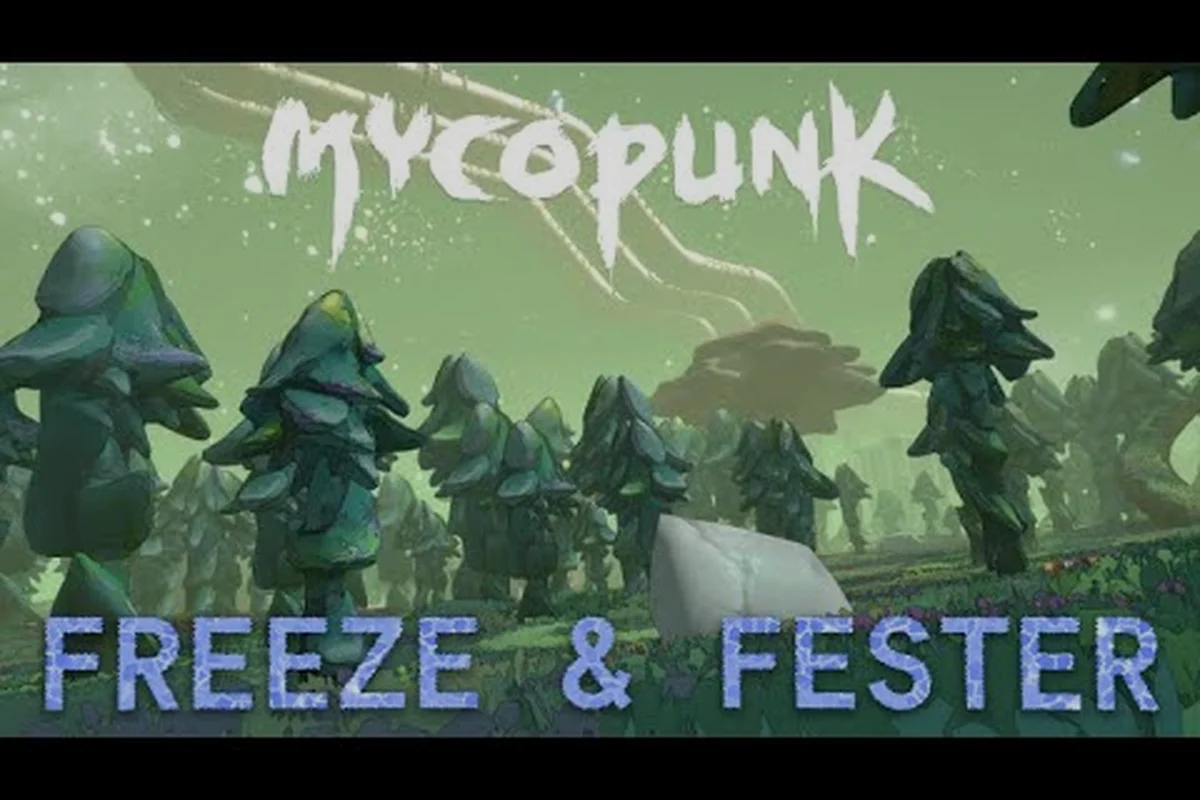
Mycopunk Element Effects: Cryo, Plasma, Fire & More Explained
Learn how every Mycopunk element effect works — cryo freezing and shattering, plasma splinters, fire ignite chains, and shock damage scaling for smarter builds.
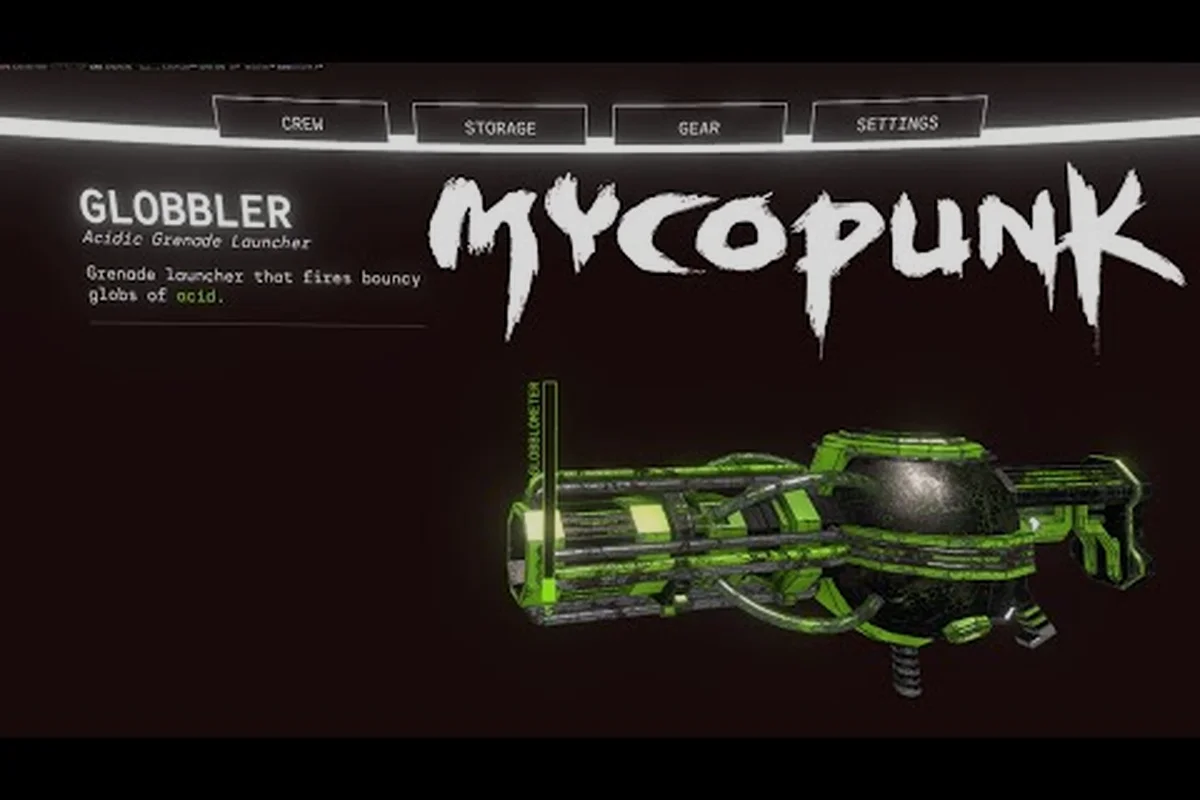
Mycopunk Splinter Virus: Plasma, Acid & Blood Builds
Spread the Mycopunk splinter virus with plasma splinters, acid rot, and blood explosions that melt whole enemy packs in every run.
All Articles
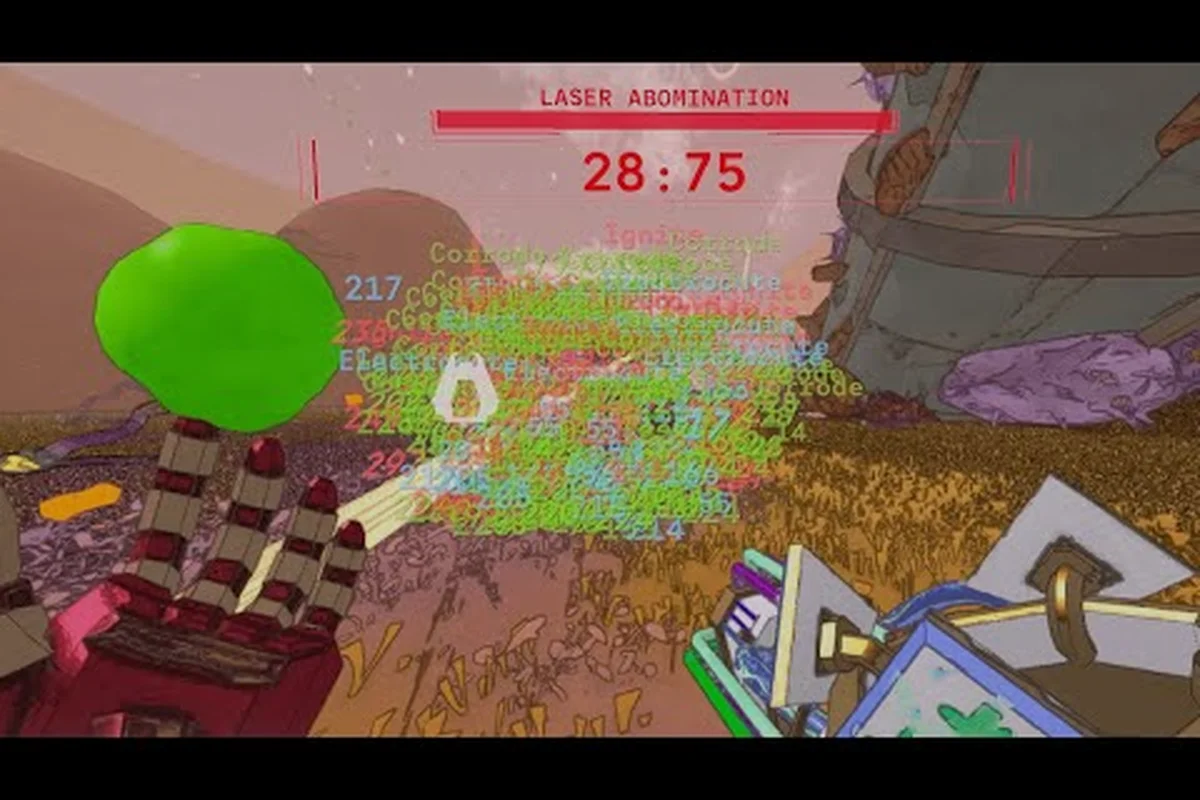
Mycopunk Damage Over Time: Cryo Shatter, Burn & Plasma Scaling
Maximize every Mycopunk damage over time source — learn cryo shatter combos, burn scaling, and plasma ticks that melt bosses without ever reloading.

Mycopunk Status Effects: Applying, Stacking & Element Combos
Master every Mycopunk status effect — learn how cryo, shock, fire, and plasma apply, stack, and chain into elemental explosions that melt high-level enemies.

Mycopunk Acid: Rot Debuff, Blood Explosions & Top Builds
Drown enemies in Mycopunk acid — learn how rot ticks, pairs with blood and shock explosions, and which builds turn corrosion into the deadliest DoT.